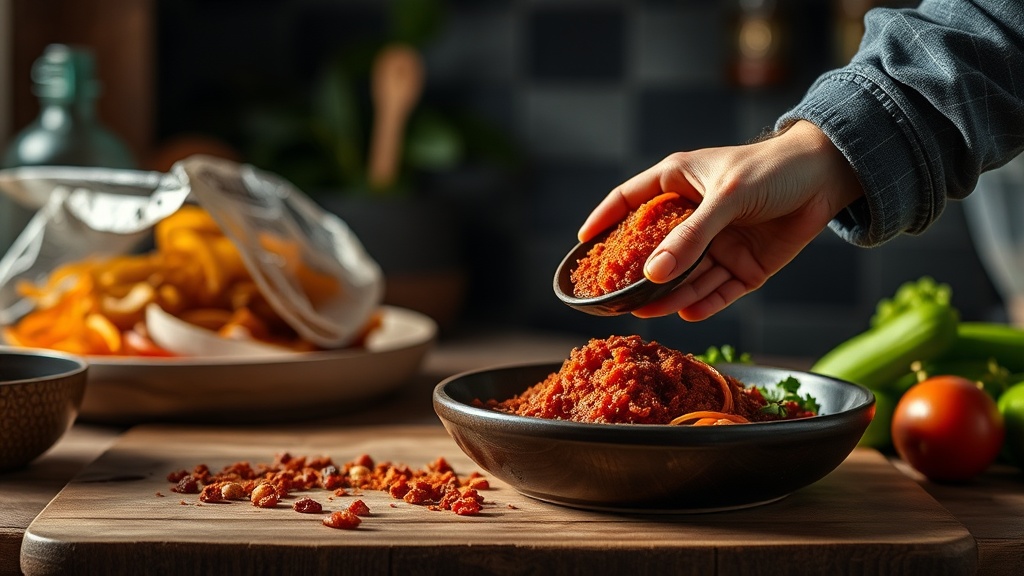
How to Build Deep Flavor at Home Without Fancy Ingredients

Most home cooks chase complexity the wrong way. They pile on ingredients, buy specialty items they’ll use once, and still end up with food that tastes flat. Deep flavor doesn’t come from more—it comes from control, patience, and knowing where to push.
This is the method I keep coming back to. It works whether you’re cooking a weeknight stew, roasting vegetables, or building a sauce from scratch. No gimmicks. Just fundamentals done properly.
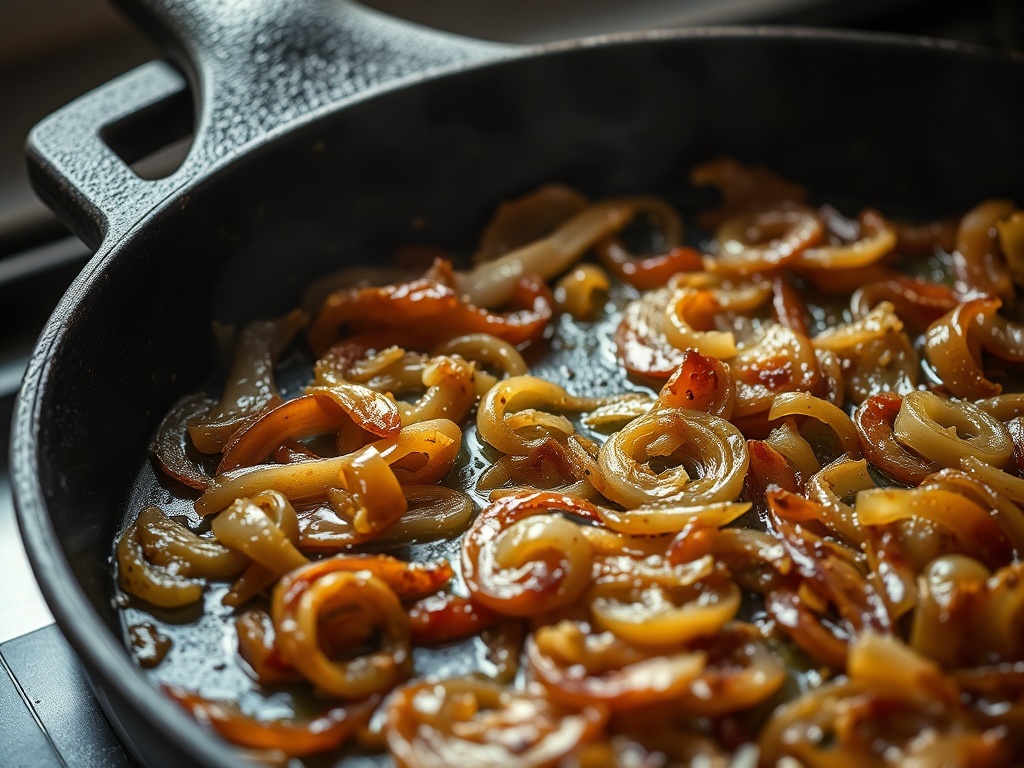
Step 1: Start With Aggressive Browning
If your food isn’t getting properly browned, you’re leaving flavor on the table. That golden crust—what cooks call the Maillard reaction—is where depth begins.
- Preheat your pan longer than you think you need
- Use enough oil to conduct heat evenly
- Don’t overcrowd—space equals browning
- Let ingredients sit. Stirring too early kills the crust
Onions should go past translucent into deep amber. Meat should develop a real crust, not just turn grey. Vegetables should pick up char at the edges. This is the base note of your dish.
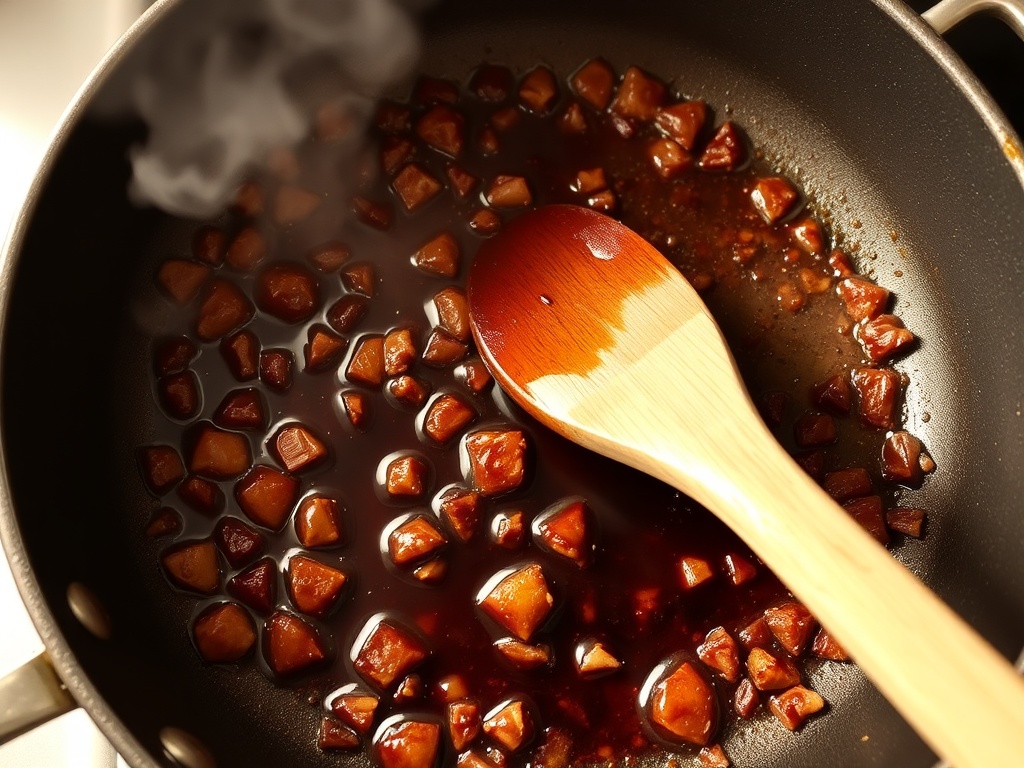
Step 2: Deglaze Like You Mean It
Those browned bits stuck to the pan? That’s concentrated flavor. Leaving them behind is a mistake.
Add liquid—wine, stock, even water—and scrape everything up. The key is using just enough liquid to dissolve the fond without diluting it.
- Wine adds acidity and complexity
- Stock builds body
- Water works if your base is strong
Let the liquid reduce slightly before moving on. You’re layering, not flooding.
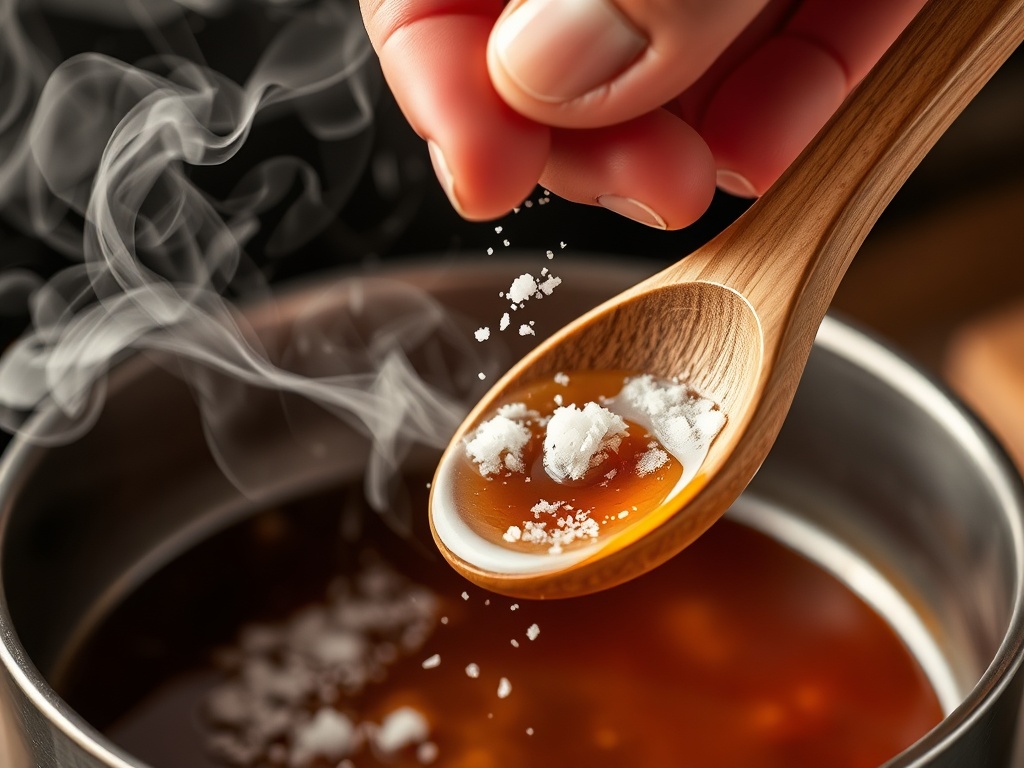
Step 3: Season in Layers, Not All at Once
Dumping salt in at the end creates surface-level flavor. Seasoning gradually builds depth.
Salt early to draw out moisture and enhance browning. Adjust again mid-cook. Finish with a final touch to sharpen everything.
Same idea applies to spices and herbs. Bloom spices in fat. Add delicate herbs at the end. Treat seasoning as a process, not a step.
Step 4: Control Heat Like It Matters (Because It Does)
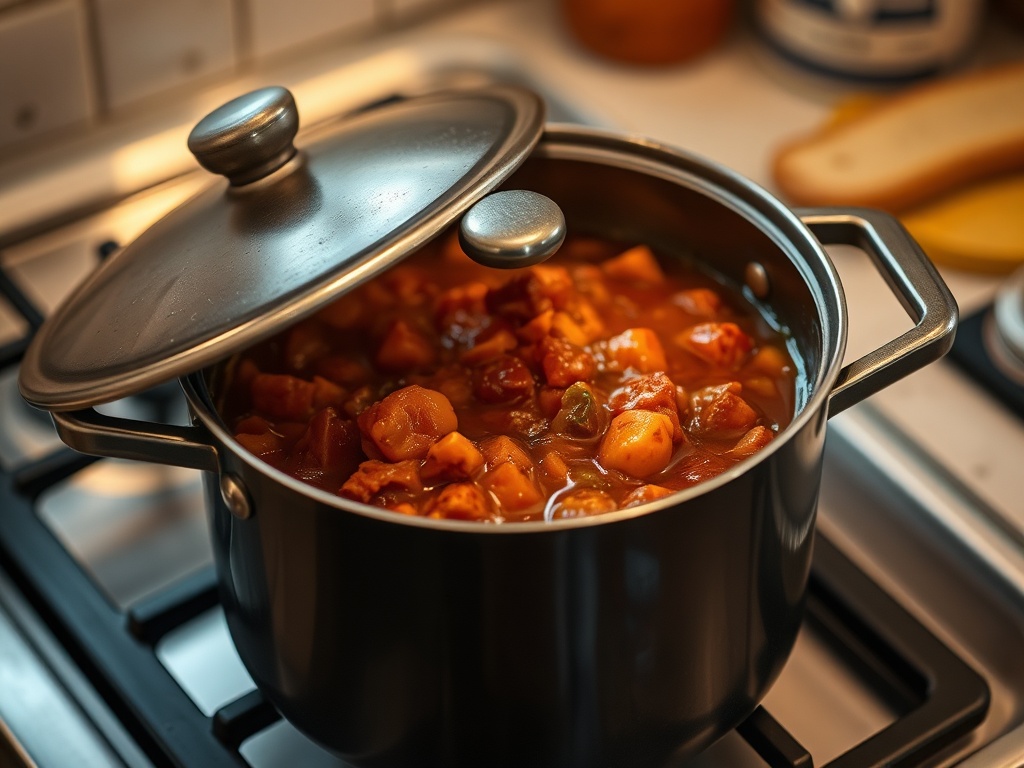
High heat builds flavor. Low heat develops it.
Start hot to create browning, then drop to a controlled simmer. A rolling boil is sloppy—it breaks down textures and muddies flavor. A gentle simmer concentrates and refines.
This is where patience pays off. Give sauces time to tighten. Let proteins relax. Let everything come together gradually.
Step 5: Finish With Contrast
Rich food without contrast tastes heavy. You need something to cut through it.
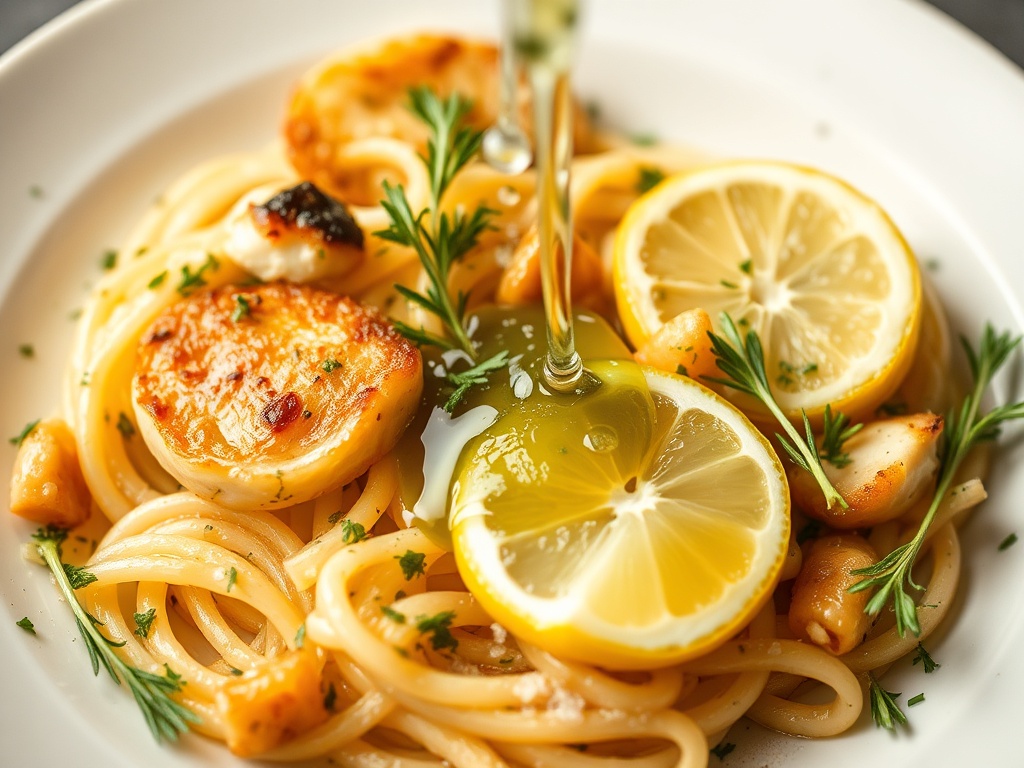
- A squeeze of lemon or splash of vinegar
- Fresh herbs for brightness
- A drizzle of good oil for aroma
This final adjustment is what makes a dish feel complete instead of just cooked.
Step 6: Taste Constantly and Adjust
Recipes can’t taste your food—you have to. Every ingredient behaves differently depending on heat, time, and quality.
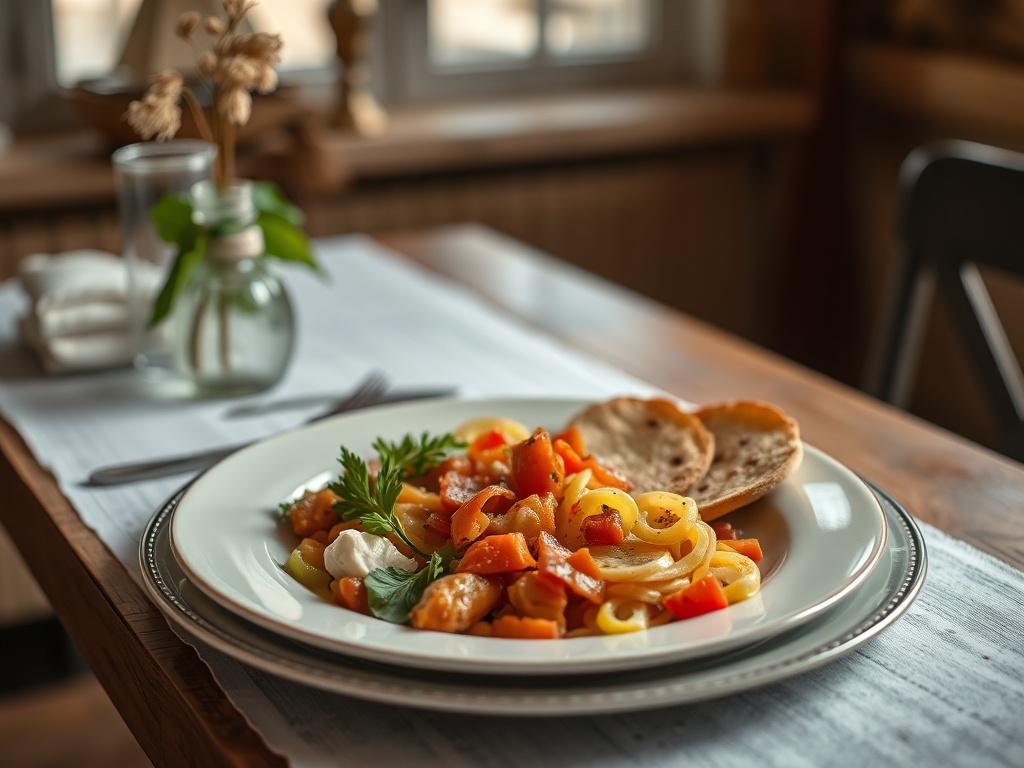
Taste after every major step. Too flat? Add salt. Too heavy? Add acid. Too sharp? Balance with fat or sweetness. This feedback loop is what separates decent cooking from great cooking.
Putting It All Together
Here’s the reality: none of this is complicated. But it does require attention. Most bland food comes from rushing—weak browning, no layering, poor heat control, and zero adjustment at the end.
Once you start cooking this way, you’ll notice something immediately. Even simple ingredients—onions, potatoes, chicken—start tasting like something you’d expect from a restaurant kitchen.
That’s not because restaurants use better ingredients. It’s because they respect the process. Now you can too.