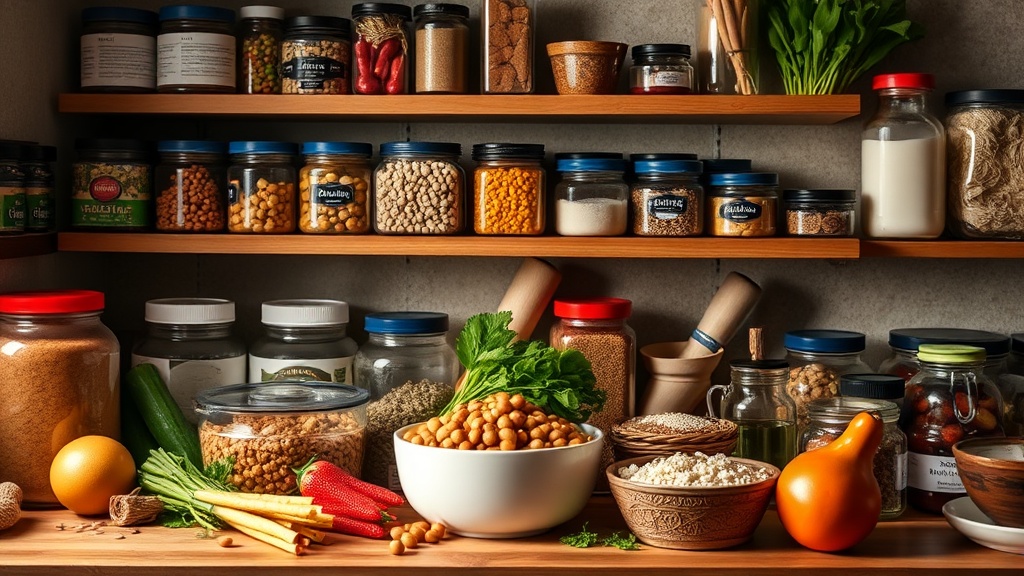
How to Build the Ultimate Home Pantry: Essential Ingredients for Every Cook

A well-stocked pantry transforms chaotic weeknight dinners into effortless meals and turns ambitious recipes from daunting to doable. This guide covers exactly what ingredients deserve permanent shelf space, how to organize them for maximum efficiency, and which brands deliver real value. Whether you're outfitting a first kitchen or refining years of accumulated staples, the following principles apply to any cooking style or dietary preference.
What Pantry Staples Should Every Home Cook Have?
The foundation of any reliable pantry rests on five categories: oils and fats, dry grains and legumes, canned goods, vinegars and acids, and shelf-stable aromatics. These items form the backbone of countless cuisines and provide flexibility when fresh ingredients run low.
Oils and Fats — Start with a high-quality extra virgin olive oil (California Olive Ranch or Corto Olive produce consistently excellent options under $20). Add a neutral oil like avocado or grapeseed for high-heat cooking. A jar of refined coconut oil (not virgin — the flavorless kind) works wonders for baking and sautés alike. Don't forget butter (store extra sticks in the freezer) and — if you're ambitious — a tub of duck fat or schmaltz for potatoes that'll ruin you for all other potatoes.
Grains and Legumes — Dried beans from Rancho Gordo cost more than supermarket brands. Here's the thing: the texture difference justifies every penny. That said, canned beans (Goya or Eden Organic) remain indispensable for 15-minute meals. Stock arborio rice for risotto, jasmine or basmati for Asian dishes, short-grain for Japanese preparations, and a workhorse long-grain like Carolina Gold. Add pasta in multiple shapes — De Cecco delivers restaurant-quality results at grocery store prices.
Canned Goods — San Marzano tomatoes (the real DOP ones — Cento sells genuine specimens) anchor sauces that taste like summer in February. Quality tuna in olive oil (Tonnino or Ortiz), coconut milk (Thai Kitchen or Aroy-D), and several varieties of beans cover most bases. Anchovy fillets in oil dissolve into sauces to build savory depth without fishiness. The catch? Check expiration dates religiously. Canned goods last years — not decades.
How Should You Organize a Pantry for Maximum Efficiency?
The most functional pantries follow the "first in, first out" principle borrowed from professional kitchens — oldest items live at the front, new purchases go behind. This prevents the archaeological digs that uncover expired quinoa from 2019.
Zone by Function, Not Just Food Type — Group breakfast items together (oats, honey, nut butters) even if that means storing peanut butter away from other jars. Create a "meal starter" zone with onions, garlic, oils, and frequently used spices positioned for grab-and-go cooking. Baking ingredients congregate separately: flours, sugars, leaveners, extracts, and chocolate.
Container Strategy — Decanting dried goods into clear containers (OXO Good Grips POP containers or Cambro square storage) serves two purposes. You see exactly what remains, and you protect against pantry moths — those devastating invaders that turn rice into a writhing nightmare. Worth noting: label every container with contents and purchase date. "Flour" tells you half the story; "Bread flour, Jan 2024" tells you whether it'll develop off-flavors.
| Storage Method | Best For | Avoid For |
|---|---|---|
| Glass jars with tight lids | Dried beans, pasta, nuts | Oily items (rancidity accelerates) |
| Original packaging folded tight | Sugars, salts, baking soda | Flours (attract moisture and pests) |
| Vacuum-sealed bags | Long-term grain storage, coffee | Items accessed frequently |
| Wire baskets | Onions, garlic, potatoes | Anything moisture-sensitive |
Temperature and Light Matter — That decorative open shelving might look Instagram-perfect, but direct light degrades oils and spices rapidly. Store heat-sensitive items (nuts, whole grain flours, oils) away from the oven and in darker corners. If your pantry runs warm, consider the refrigerator for nut flours and opened nut oils.
What Spices and Seasonings Are Worth the Investment?
Fresh spices — ground within the past year — deliver exponentially more flavor than the faded dust sitting in most kitchen cabinets. The investment isn't primarily financial; it's attention to turnover and proper storage.
The Non-Negotiables — Kosher salt (Diamond Crystal dissolves faster and salts more gently than Morton) and whole black peppercorns in a grinder. From there, build by cuisine preference. Cooking mostly Italian? Oregano, red pepper flakes, fennel seed. Southeast Asian focus? Coriander, cumin, turmeric, and a good curry powder (Curry House or make your own). Mexican cooking demands multiple chile varieties — ancho, guajillo, chipotle — plus Mexican oregano (distinctly different from Mediterranean).
Buy Whole, Grind Fresh — Pre-ground spices lose potency within months. A $15 coffee grinder dedicated to spices (label it — you don't want cumin-flavored coffee) lets you toast and grind coriander, cumin, and mustard seed as needed. The aroma difference will spoil you permanently. Serious Eats offers an excellent guide on toasting technique that applies across cuisines.
Umami Boosters — These deserve their own category. Miso paste (white or yellow for versatility), gochujang, fish sauce (Red Boat 40°N or Three Crabs), soy sauce (San-J or Kikkoman for everyday, artisan Japanese varieties for finishing), and Worcestershire sauce. Tomato paste in the tube (Amore or Centro Latino) stays fresh longer than canned and portions easily. A block of Parmesan (the real Parmigiano-Reggiano, identified by the pin-dot markings on rind) keeps for weeks and adds savory depth well beyond pasta applications.
How Do You Maintain a Pantry Without Waste?
The best-stocked pantry fails if ingredients expire before use. Smart rotation and realistic assessment of cooking habits prevent this entirely.
Schedule quarterly audits — calendar them. Remove everything, wipe shelves, check dates, and take inventory. Move items approaching expiration to a "use soon" bin placed prominently. This practice — called "corner-to-corner" in restaurant kitchens — reveals what you're actually cooking versus what you imagine cooking.
Embrace the "shop your pantry" challenge one week monthly. Plan meals around accumulated grains, canned goods, and frozen proteins without buying anything new. You'll discover combinations you wouldn't have chosen otherwise — chickpeas and harissa, coconut milk and curry paste, canned tomatoes and white beans. The creativity constraint often produces favorite recipes.
Keep a running list. When you finish the soy sauce, write it down immediately. The small discipline prevents the frustrating mid-recipe discovery that you're out of fish sauce — and prevents the duplicate purchases that clutter shelves.
For bakers, the freezer extends pantry life dramatically. Whole wheat flour, nuts, seeds, and even butter store excellently frozen. Just label everything (freezer burn has a way of making all items look identical) and thaw before use.
"The difference between a home cook and a great home cook often comes down to pantry depth. With the right ingredients on hand, you can respond to any craving or market find without another trip to the store." — Samin Nosrat, Salt, Fat, Acid, Heat
Storage Conditions for Maximum Shelf Life
- Olive oil: Cool, dark place; 12-18 months unopened, 6 months after opening
- Whole spices: Airtight containers away from heat; 2-4 years
- Ground spices: Airtight, dark storage; 6-12 months
- Dried beans: Cool, dry, airtight; 2+ years (though older beans never soften fully)
- White rice: Indefinite in proper storage
- Brown rice: 6 months room temperature, 1+ years refrigerated
- Nuts: 3-6 months room temperature, 1 year refrigerated, 2 years frozen
- Honey: Indefinite (crystallization indicates quality, not spoilage — warm gently to restore)
Building a pantry isn't a single shopping trip — it's an evolving project that responds to seasons, expanding skills, and changing household needs. Start with the foundations outlined here, add specialty items as specific recipes demand them, and maintain the discipline of rotation and organization. The result? A kitchen ready for whatever culinary inspiration strikes.