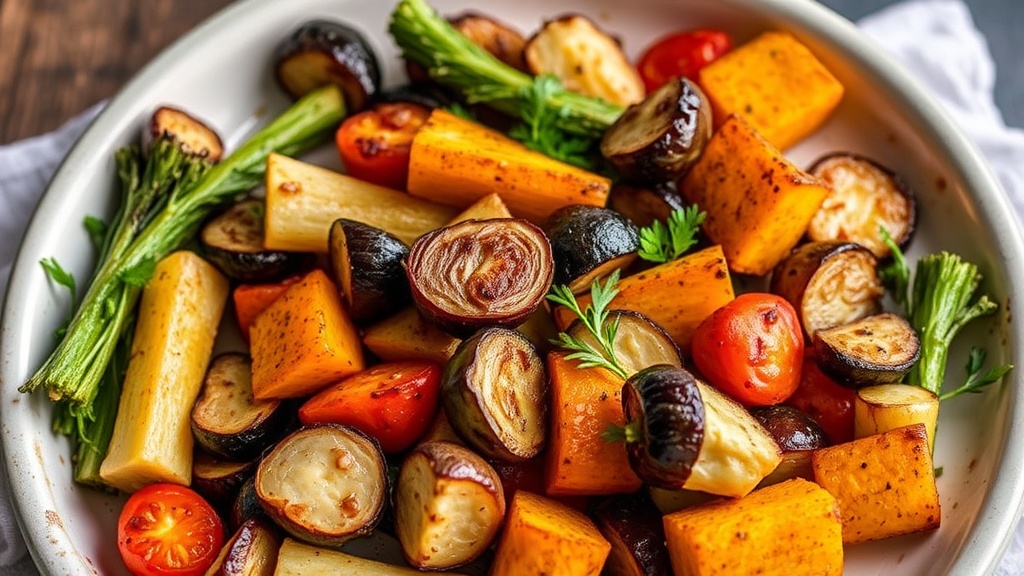
The Secret to Perfectly Crispy Roasted Vegetables Every Time

Quick Tip
High heat and minimal crowding are the secrets to achieving crispy, caramelized roasted vegetables every time.
Roasted vegetables often emerge soggy, pale, and disappointing — even at high temperatures. This guide breaks down the exact techniques for achieving golden-brown, caramelized edges and tender centers every time. Whether prepping a weeknight side or holiday spread, these methods will transform limp florets into crave-worthy bites.
Why Do Vegetables Get Soggy in the Oven?
Excess moisture is the enemy of crispiness. Vegetables naturally contain water — zucchini and mushrooms are practically sponges — and overcrowding traps steam, creating a sauna instead of a roast. When pans get crowded, vegetables boil in their own juices rather than developing that Maillard reaction (the chemical process that creates browned, complex flavors).
Here's the thing: even distribution matters more than oil quantity. A Nordic Ware Naturals half-sheet pan — aluminum, not non-stick — conducts heat evenly and prevents steaming. Darker pans absorb more heat, but can scorch garlic before Brussels sprouts tenderize.
What's the Best Temperature for Roasting Vegetables?
425°F (220°C) hits the sweet spot for most vegetables — hot enough to drive off moisture quickly, not so hot that exteriors char before interiors soften. Root vegetables (potatoes, carrots, parsnips) tolerate 450°F; delicate items like asparagus peak around 400°F.
Temperature Guide by Vegetable Type
| Vegetable | Temp | Time | Notes |
|---|---|---|---|
| Brussels sprouts (halved) | 425°F | 25-30 min | Cut-side down for max contact |
| Broccoli florets | 425°F | 20-25 min | Don't wash — brush off dirt |
| Sweet potato cubes | 425°F | 30-35 min | Soak 30 min first for extra crisp |
| Cauliflower | 450°F | 25 min | Large steaks work beautifully |
| Asparagus | 400°F | 12-15 min | Toss halfway only once |
The catch? Frozen vegetables need different handling. Thaw and pat completely dry — or roast straight from frozen at 450°F with extra time. Bon Appétit's frozen vegetable method recommends skipping oil initially, letting ice sublimate first.
How Much Oil Should You Use for Crispy Roasted Vegetables?
One to two tablespoons per pound — just enough to coat lightly without pooling. Too much oil creates a barrier that steams rather than fries; too little yields dry, leathery surfaces. Avocado oil (high smoke point, 520°F) outperforms extra-virgin olive oil for high-heat roasting. America's Test Kitchen consistently recommends refined oils over EVOO for oven work above 400°F.
Seasoning strategy: salt draws out moisture, so apply it just before roasting — not during prep. Toss vegetables with oil first, spread on the pan, then sprinkle salt evenly. Preheated pans (ten minutes in the oven) give vegetables a head start on browning. Place Brussels sprouts cut-side down; don't disturb them for the first fifteen minutes. That contact patch develops the best crust.
Worth noting: cornstarch is the pro secret. Tossing starchy vegetables (potatoes, squash) with a teaspoon of cornstarch before oiling creates an extra-crispy exterior — the same technique used for Serious Eats' famous roast potatoes. Combine with a pinch of baking soda in the parboil for shattering crunch.
Storage ruins crispness. Roast and serve immediately — reheated vegetables never regain that just-roasted snap. For meal prep, undercook slightly and finish in a hot skillet before eating.