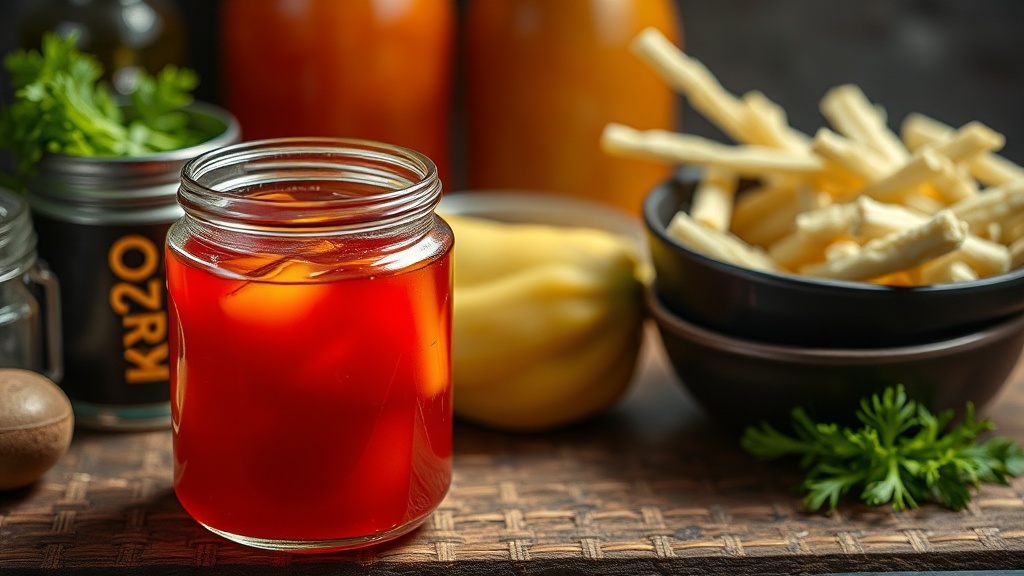
Why Does Fermented Food Taste Better? The Chemistry Behind Your Favorite Flavors

Why Do Fermented Foods Taste So Much Better Than Fresh?
You've noticed it—the tang of good sauerkraut, the funk of aged cheese, the deep umami of miso. Fermented foods carry flavors that raw ingredients simply can't match. This isn't magic; it's controlled decay. Microorganisms—bacteria, yeasts, and molds—break down sugars and proteins into entirely new compounds. Those compounds are what make your taste buds sit up and pay attention. In this post, you'll learn exactly what happens during fermentation, which techniques work best at home, and why your gut (and your palate) benefit from the process.
The transformation starts with enzymes. When Lactobacillus bacteria consume carbohydrates, they produce lactic acid—that sharp, pleasant sourness in pickles and yogurt. Yeasts like Saccharomyces cerevisiae convert sugars into alcohol and carbon dioxide, giving us bread and beer. Molds in the Penicillium family break down proteins into amino acids, creating the complex flavors in aged cheeses and cured meats. Each pathway generates hundreds of secondary compounds—esters, aldehydes, organic acids—that layer together into something far more interesting than the starting material ever was.
What's the Difference Between Lactic Acid and Alcohol Fermentation?
Not all fermentation works the same way. Lactic acid fermentation (lacto-fermentation) happens without oxygen. It's the workhorse behind sauerkraut, kimchi, yogurt, and most vegetable pickles. The bacteria responsible—mostly Lactobacillus species—tolerate salt, which makes them perfect for preserving vegetables. They drop the pH, creating an environment where spoilage organisms can't survive. Your jar of fermenting cabbage becomes self-protecting.
Alcoholic fermentation requires yeast and produces ethanol as its primary byproduct. Think wine, beer, and the initial rise in bread dough. Unlike lacto-fermentation, alcoholic fermentation doesn't acidify the environment as aggressively. That's why wine can spoil into vinegar—it needs acetic acid bacteria (a third type of fermentation) to complete that conversion. Understanding these distinctions matters because you can't just swap techniques. Trying to pickle cucumbers with brewer's yeast instead of salt and Lactobacillus won't give you pickles—it'll give you a mess.
Acetic acid fermentation sits between the two. Acetobacter bacteria convert ethanol into acetic acid, creating vinegar. Kombucha involves both yeast (alcoholic fermentation) and bacteria (acetic acid fermentation) working in sequence. The SCOBY—that rubbery disc floating in your kombucha jar—is actually a biofilm of yeast and bacteria living in symbiosis. Each organism creates conditions the other needs. It's a tiny ecosystem you're cultivating in your kitchen.
How Do You Start Fermenting Vegetables at Home?
Home fermentation doesn't require special equipment. A jar, some salt, and vegetables are enough to begin. The basic ratio is simple: 2-3% salt by weight of your vegetables. Too little salt and unwanted bacteria can take hold; too much and you halt fermentation entirely. Weigh your vegetables, calculate 2.5% of that weight in salt, massage it in, and pack everything tightly into a jar. The vegetables release their own brine. Keep them submerged—fermentation is anaerobic, and exposure to air invites mold.
Timing depends on temperature. At room temperature (20-22°C/68-72°F), most vegetable ferments need 5-10 days. Cooler temperatures slow everything down; warmer speeds it up but can produce off-flavors. Taste daily after day three. You're looking for a pleasant sourness without putrid or alcoholic notes. Once the flavor hits your preference, move the jar to the refrigerator. The cold won't stop fermentation completely—lactobacilli keep working slowly—but it slows it enough to maintain your chosen flavor profile for months.
Common beginner mistakes include using chlorinated water (it kills bacteria), not keeping vegetables submerged, and fermenting at inconsistent temperatures. If you see white kahm yeast—a harmless, thin, wrinkled film forming on the surface—you can scrape it off and continue. Actual mold—fuzzy, colorful growth—means you should discard the batch. The difference matters, and experience teaches you to recognize each.
Equipment Worth Investing In
While jars work fine, a few tools make the process more reliable. Fermentation weights (glass or ceramic discs) keep vegetables submerged without the fiddling. Airlock lids let carbon dioxide escape while preventing oxygen from entering—reducing mold risk significantly. A pH meter helps confirm safety; fermented vegetables should reach pH 4.6 or below to inhibit botulism and other pathogens. None of this is mandatory, but each removes a variable that might cause failure.
What Health Benefits Do Fermented Foods Actually Provide?
The probiotic claims surrounding fermented foods are both valid and overstated. Live fermented foods do introduce beneficial bacteria to your gut microbiome. Research published in Cell shows that regular consumption of fermented foods increases microbiome diversity—a marker associated with better metabolic health and immune function. The effect isn't dramatic overnight, but consistent inclusion matters more than sporadic large doses.
Beyond live cultures, fermentation creates bioavailable nutrients. Phytic acid in grains and legumes binds minerals; fermentation breaks it down, freeing iron, zinc, and magnesium for absorption. The same process creates B vitamins, particularly B12 in certain fermented products (though not reliably enough to depend on as a sole source). The lactic acid produced during fermentation aids mineral absorption and supports digestive health by lowering gut pH.
However, not all fermented foods deliver probiotics. Pasteurized sauerkraut—most supermarket versions—contains no live cultures. The heat treatment that extends shelf life kills the bacteria you're eating for. Check labels for "live and active cultures" or ferment at home. Similarly, many commercial pickles are simply brined in vinegar without fermentation. They taste sour but offer none of the microbial benefits. Reading ingredient lists becomes necessary if health outcomes motivate your choices.
Which Fermented Foods Should You Try First?
Start with vegetables—they're forgiving and quick. Sauerkraut requires only cabbage and salt. Shred a head of cabbage, mix with salt (about 15g per kilogram), massage until wet, pack into a jar, and wait. Kimchi adds complexity: Korean red pepper flakes (gochugaru), garlic, ginger, and often fish sauce or salted shrimp. The process remains similar, but the flavor profile expands dramatically. Both keep for months refrigerated and improve with age.
Yogurt offers another accessible entry point. Heat milk to 85°C (185°F) to denature proteins, cool to 45°C (115°F), stir in a tablespoon of live yogurt per liter as a starter, and hold warm for 6-12 hours. An oven with the light on, a heating pad, or a dedicated yogurt maker all work. The longer the incubation, the tangier the result. Strain through cheesecloth for Greek-style thickness. Once established, you can use your own yogurt as starter for subsequent batches indefinitely.
For the adventurous, sourdough bread combines fermentation with baking skill. A sourdough starter—flour and water colonized by wild yeast and bacteria—replaces commercial yeast. Maintaining one requires regular feeding (discarding half, adding fresh flour and water) but rewards you with bread of depth and character no commercial yeast can match. The fermentation process also breaks down gluten and phytic acid, making the bread more digestible for some people—though it's not suitable for those with celiac disease.
"Fermentation is the only form of food preparation that actually adds nutrition rather than subtracting it." — Sandor Katz, fermentation revivalist
Kombucha and water kefir provide fermented beverages without alcohol content significant enough to matter (typically under 0.5%). Both require starter cultures—SCOBY for kombucha, water kefir grains for kefir—and produce slightly effervescent, tart drinks. Secondary fermentation with fruit juice adds carbonation and flavor variation. These offer probiotic benefits in drinkable form, though the sugar content of kombucha (residual from the tea base) varies widely between producers.
Fermented condiments—miso, fish sauce, Worcestershire, certain hot sauces—add umami depth to cooking. Miso, a Japanese paste of fermented soybeans and rice or barley, ranges from sweet white varieties (short fermentation) to pungent red and black types (aged years). A spoonful in soup, salad dressing, or marinade contributes savory richness beyond what salt alone provides. Keep miso refrigerated; it continues fermenting slowly and can last indefinitely.
The barrier to entry for home fermentation is lower than most people assume. You've already eaten thousands of fermented foods—bread, cheese, chocolate, coffee, wine, soy sauce. Understanding the process lets you participate in these transformations rather than just purchasing their end results. Start small. Make one batch of sauerkraut. Taste the difference between day three and day ten. Notice how the texture softens while the flavor intensifies. That direct experience teaches more than any recipe can. The microorganisms do the work; your job is creating conditions where they thrive and staying out of their way.