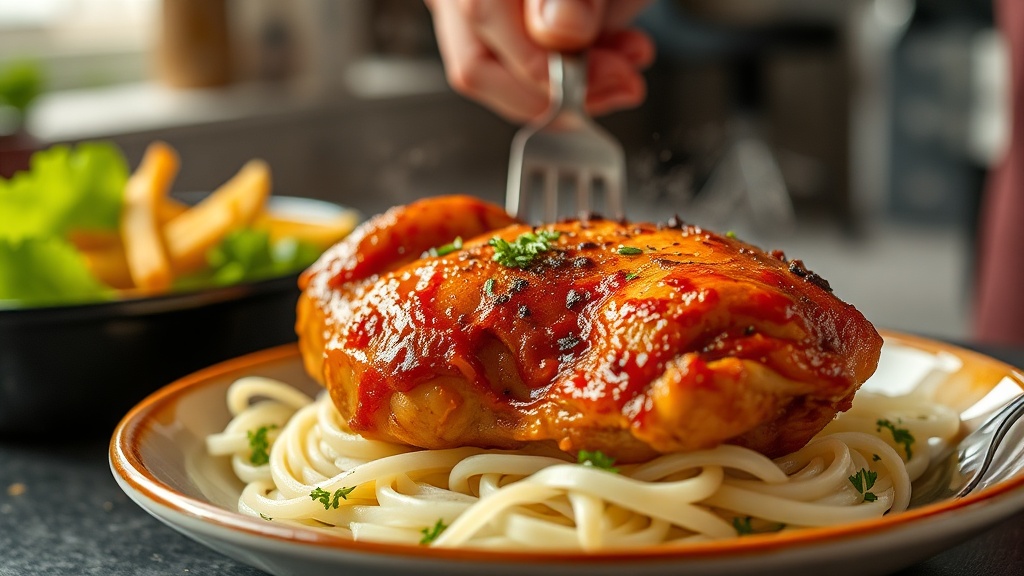
Why Does Restaurant Chicken Taste Better Than Yours? 12 Kitchen Habits Worth Changing

That frustrating gap between your home-cooked chicken and the juicy, golden-crusted perfection you get at your favorite restaurant? It isn't talent or expensive equipment. It's technique. Most home cooks make the same small mistakes—overcrowding pans, skipping the rest, fearing high heat—that add up to disappointing dinners. This listicle breaks down twelve habits that sabotage your cooking and exactly what to do differently tonight.
Why Is My Chicken Always Dry Instead of Juicy?
Dry chicken usually comes down to two sins: cooking straight from the fridge and overcooking out of fear. When you toss cold chicken into a hot pan, the exterior burns before the interior hits safe temperature. The muscle fibers seize, squeezing out moisture, and you end up with that dreaded stringy texture.
Here's the fix—take your chicken out of the refrigerator thirty minutes before cooking. Season it, let it sit on the counter uncovered (this helps the skin dry out for better browning too). Use an instant-read thermometer and pull breast meat at 160°F; it'll coast to the safe 165°F while resting. Speaking of resting, that five-minute pause after cooking isn't optional. Cut too soon and all those juices flood your cutting board instead of staying in the meat.
Professional kitchens also brine their chicken religiously. A simple saltwater soak (four tablespoons of salt per quart of water, refrigerated for two to four hours) seasons the meat throughout and helps it retain moisture during cooking. Don't skip this step when roasting whole birds or grilling bone-in pieces.
What's the Deal with Crowding the Pan?
That sizzle you hear when chicken hits the pan? It's the sound of moisture evaporating and proteins browning through the Maillard reaction—cooking's most powerful flavor generator. Crowd the pan and chicken starts steaming in its own juices instead of searing. You get gray, rubbery meat with zero crust.
Cook in batches, period. Each piece needs at least an inch of space on all sides. Yes, it takes longer. Yes, it's worth it. And don't move the chicken around while it cooks. Let it sit undisturbed for four to six minutes until it releases naturally from the pan. If it's sticking, it's not ready to flip.
The same rule applies to roasting. A sheet pan crammed with vegetables and protein traps steam, preventing caramelization. Spread things out, use two pans if needed, and rotate them halfway through cooking for even browning.
Why Don't My Spices Taste Like Anything?
That jar of paprika that's been sitting in your cabinet since 2019? It's dead. Ground spices lose potency within six months to a year—faster if stored near heat or light. Whole spices (coriander, cumin, peppercorns) last longer but still degrade. The difference between fresh-ground and pre-ground black pepper alone is staggering.
Buy whole spices when possible and grind them as needed. Toast whole spices in a dry pan for thirty seconds before grinding to bloom their essential oils. Store everything in airtight containers away from the stove—not on that cute rack above your range where heat destroys them.
Timing matters too. Add dried herbs early in cooking so they rehydrate and flavor the dish. Finish with fresh herbs and citrus zest—their volatile oils evaporate quickly with heat. A sprinkle of fresh parsley or lemon zest at the last second brightens heavy dishes in ways that cooking them into oblivion never will.
Should I Really Salt My Pasta Water Like the Sea?
Yes. Absolutely. Under-salted pasta water is one of the most common mistakes in home kitchens. The water should taste like mild seawater—about one to two tablespoons of salt per gallon. Pasta absorbs water as it cooks; if that water is bland, your pasta is bland no matter how good your sauce is.
But salt timing extends beyond pasta. Season throughout cooking, not just at the end. A pinch here, a pinch there builds complex, layered flavor. Dumping all your salt in at once creates one-note saltiness rather than depth. Taste constantly. Adjust constantly.
Kosher salt is the professional standard—its larger crystals are easier to pinch and distribute evenly. Table salt is finer and more concentrated by volume, so if that's what you have, use about half what recipes specify.
Why Does My Garlic Taste Bitter?
Garlic burns fast, and burnt garlic tastes acrid and unpleasant. Most home cooks add it too early, letting it cook alongside onions from the start. By the time the onions soften, the garlic has turned bitter.
Add minced or sliced garlic in the final thirty to sixty seconds of cooking—just until fragrant. If your recipe calls for browning aromatics over longer periods, either hold the garlic back or keep the heat moderate. Better yet, learn the confit method: slow-cook whole cloves in oil over low heat until soft and sweet. The resulting garlic-infused oil is liquid gold for finishing dishes.
What's Wrong with My Non-Stick Pan for Everything?
Non-stick cookware has its place—eggs, delicate fish, crepes—but it actively prevents the browning that makes food taste good. The coating limits surface temperature, blocking the Maillard reaction that creates complex flavors and appealing textures.
Invest in one good stainless steel or cast iron skillet. Get it ripping hot, add oil until it shimmers, then add your protein. That fond—the browned bits stuck to the bottom—is pure flavor. Deglaze with wine, stock, or even water to create pan sauces in seconds.
Proper cast iron care isn't complicated. Clean with hot water and a brush, dry thoroughly, and rub with a thin layer of oil. That's it. The "no soap" rule is outdated; modern cast iron is fine with mild detergent. Just don't soak it or leave it wet.
Why Is My Homemade Stock So Bland?
Store-bought stock is convenient but loaded with salt and thin on actual chicken or vegetable flavor. Homemade stock should be rich, gelatinous, and deeply savory—the kind that turns simple soups into something special.
The secret? Bones, time, and roasted aromatics. Use a mix of raw and roasted bones for depth. Roast your vegetables (onions, carrots, celery) until deeply browned before adding water. And simmer gently for at least four hours—boiling creates cloudy, bitter stock while gentle extraction pulls out collagen and flavor.
Don't skip the acid. A tablespoon of vinegar or wine helps extract minerals and collagen from bones, giving your finished stock body and that satisfying mouthfeel. Strain through a fine-mesh sieve or cheesecloth for clarity.
Am I Using the Wrong Oil?
Extra virgin olive oil is delicious but expensive and fragile. Its smoke point is relatively low (around 375°F), and high heat destroys its nuanced flavors while creating bitter compounds. Save the good stuff for finishing—drizzling over finished dishes or making vinaigrettes.
For high-heat cooking, reach for refined oils with higher smoke points. Avocado, grapeseed, or light olive oil handle heat without breaking down. Save butter for moderate heat or finish with it—clarified butter (ghee) removes milk solids and raises the smoke point significantly.
And measure your oil. Too little and food sticks; too much and you're deep frying accidentally. A thin, even coating across the pan surface is what you're after.
Why Does Restaurant Food Have So Much More Flavor?
Professional kitchens finish dishes with acid, fat, and texture—the holy trinity of restaurant-quality food. A squeeze of lemon, a drizzle of good olive oil, or a pat of cold butter stirred in at the last second brightens and enriches. Toasted nuts, breadcrumbs, or fresh herbs add crunch and visual appeal.
Acid especially is underused in home cooking. Vinegar, citrus, and fermented ingredients cut through richness and wake up tired palates. If your dish tastes flat, it probably needs salt or acid—or both. Add incrementally, tasting between additions.
Texture matters too. Creamy soups need crunchy croutons. Tender braised meat benefits from a fresh herb salad on top. Think in contrasts: smooth against crunchy, rich against bright, hot against cool.
Do I Really Need to Read the Whole Recipe First?
Yes. Mis en place—everything in its place—isn't just pretentious French terminology. It's the practice of reading your recipe completely, preparing all ingredients, and understanding the process before you turn on the stove.
Nothing derails dinner like realizing you need room-temperature butter when your onions are already cooking, or discovering the sauce requires thirty minutes of reduction while your protein rests and gets cold. Prep everything. Measure spices. Chop vegetables. Then cook.
This practice also reveals when recipes have errors or unclear steps. Better to spot them during prep than when you're committed to a dish with guests arriving in twenty minutes.
Why Should I Let Meat Come to Room Temperature?
We've covered chicken, but this applies to all meat. Cooking a cold steak or roast straight from the fridge creates the same problem: overcooked exterior, undercooked interior, or both as you chase perfect doneness. The outer layers spend too much time cooking while the center catches up.
Thirty to sixty minutes on the counter (depending on thickness) brings meat closer to even temperature throughout. Your cooking will be more predictable, your crust better developed, and your results more consistent. Just don't leave meat out longer than two hours for food safety reasons.
Is Resting Really That Important?
We mentioned this for chicken, but it applies universally. When meat cooks, muscle fibers tighten and push juices toward the center. Cut immediately and those juices run out, leaving dry meat and a pool on your cutting board. Resting allows fibers to relax and redistribute moisture.
Small cuts like steaks or chops need five to ten minutes. Roasts need fifteen to thirty. Tent loosely with foil if you're worried about temperature loss, but don't wrap tightly or you'll steam the exterior and soften that beautiful crust you worked so hard to create.
The carryover cooking during resting also helps meats reach safe final temperatures without overcooking on the heat. That thermometer pull point we mentioned earlier accounts for this rise. Trust the process.
Sources and further reading:
- The Food Lab: Salting Pasta Water - Serious Eats explains the science behind properly salted pasta water
- The Science of Good Cooking - Cook's Illustrated breaks down fundamental cooking principles
- What Is the Maillard Reaction? - Bon Appétit explains browning and flavor development