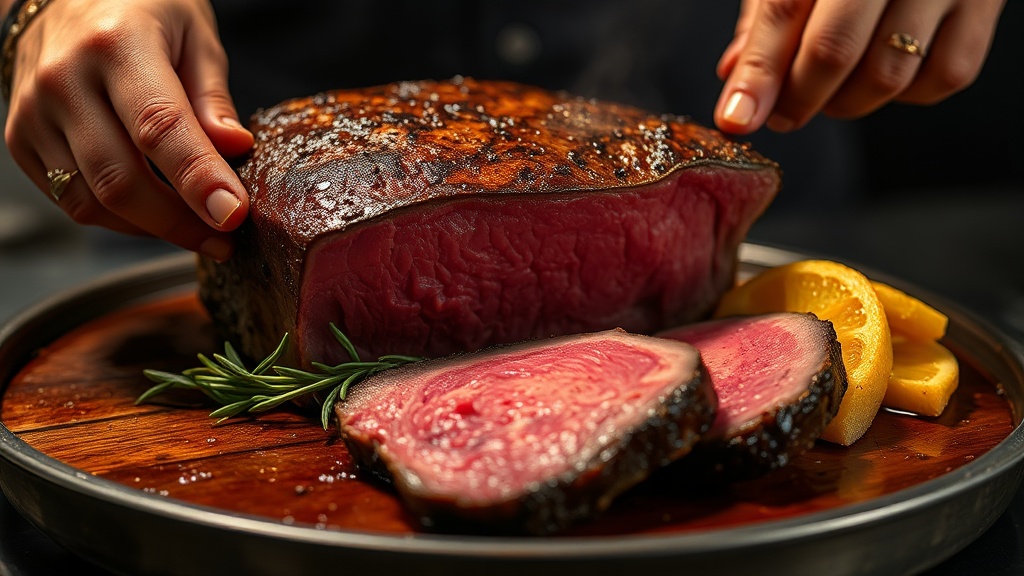
Why You Should Rest Your Meat: The Secret to Juicier, More Flavorful Dinners

Quick Tip
Always rest your meat for 5-10 minutes after cooking to allow juices to redistribute evenly throughout, resulting in a juicier, more flavorful bite every time.
What Happens When You Don't Let Meat Rest?
You slice into that sizzling steak fresh off the grill. Juice runs everywhere—except where it should be. On the cutting board. Down the sides. Your perfectly cooked ribeye turns dry in minutes. Here's the thing: that moisture was supposed to stay inside the meat. The protein fibers, tightened from high heat, need time to relax. Without that pause, all that flavor you worked for—seasoning, searing, basting—literally spills out.
How Long Should You Rest Different Cuts of Meat?
Resting times vary by cut thickness and cooking method. Thin cuts like pork chops or chicken breasts need just 5 minutes under loose foil. Thick steaks, roasts, and whole birds require more patience.
| Cut Type | Thickness | Rest Time | Cover? |
|---|---|---|---|
| Steak (ribeye, sirloin) | 1 inch | 5-7 minutes | Loose foil |
| Thick-cut steak | 2+ inches | 10-15 minutes | Loose foil |
| Whole chicken | 3-4 lbs | 15-20 minutes | Loose foil + towel |
| Pork shoulder | 5+ lbs | 30-60 minutes | Wrapped in cooler |
| Prime rib | 4+ lbs | 20-30 minutes | Loose foil |
That said, don't go overboard. Rest too long and the meat cools past enjoyment. The goal is warm—not hot—serving temperature. A digital instant-read thermometer (the ThermoPro TP19 works beautifully here) helps track internal temp as it slowly drops during the rest.
What's the Best Way to Rest Meat Without It Getting Cold?
Tent loosely with aluminum foil—never wrap tightly. You want airflow, not a steam room. The foil traps just enough heat while preventing the surface from cooling too fast. For large roasts, place the tented meat in an empty cooler (yes, really). The insulated space maintains warmth for 30+ minutes without overcooking.
The catch? Resting happens off the heat source. Move that cast iron skillet or roasting pan to a cutting board. Leaving meat on a hot surface continues cooking it—carryover heat can push internal temps 5-10°F higher than planned. Worth noting: a Lodge 12-inch cast iron skillet retains heat exceptionally well, so prompt removal matters even more.
Professional kitchens swear by this step. Thomas Keller (author of The French Laundry Cookbook) treats resting as part of the cooking process—not an afterthought. J. Kenji López-Alt at Serious Eats has demonstrated through side-by-side testing that rested meat retains up to 40% more moisture. The Certified Angus Beef program specifically recommends resting for "the juiciest eating experience."
"Resting isn't optional—it's the final stage of cooking." — Meathead Goldwyn, AmazingRibs.com
Next time you're grilling on a Weber Spirit II E-310 or roasting in your kitchen, set a timer. Walk away. Pour a drink. That 10-minute wait transforms good meat into something memorable.