Why Your Cast Iron Skillet Isn't Non-Stick

Understanding the Mechanics of Seasoning
You'll learn why your cast iron pan might be sticking to eggs, how to fix a neglected skillet, and the specific ways to build a durable non-stick surface through oil polymerization. Most people think a non-stick pan is about the smoothness of the metal, but it's actually about the thin layer of carbonized oil that sits on top of it.
When we talk about seasoning, we aren't just talking about putting oil in a pan. We're talking about a chemical reaction. When you heat oil to its smoke point, the fatty acids undergo a process called polymerization. This creates a hard, plastic-like film that bonds to the iron. If your pan is sticking, your seasoning layer is likely either too thin, too thin-layered (meaning it's flaking off), or you're using the wrong kind of fat. It's a common frustration, but it's usually a solvable problem once you understand the physics of the pan.
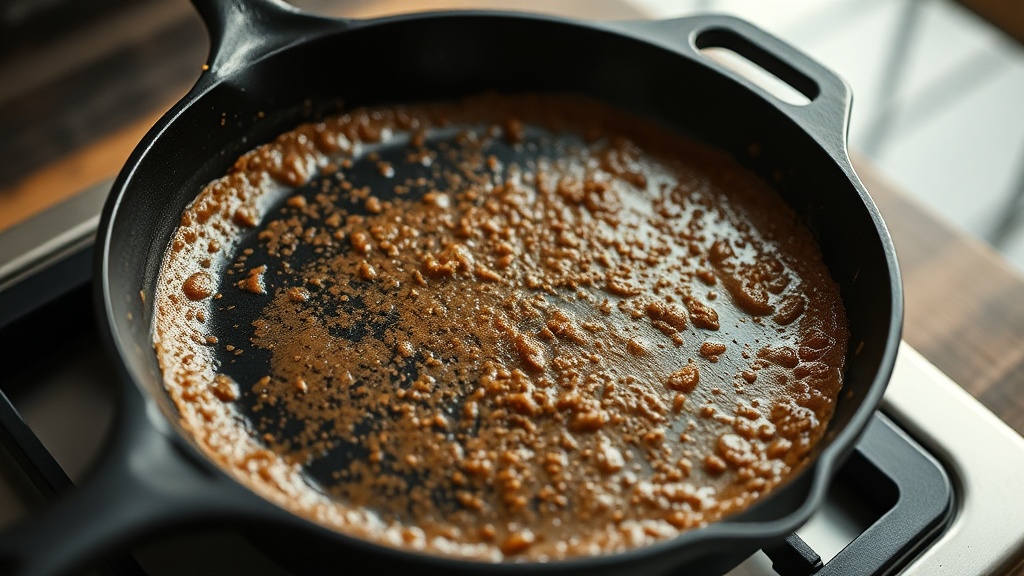
A common mistake is applying too much oil at once. If you coat a pan in a thick layer of liquid oil and then heat it, you won't get a hard film; you'll get a sticky, gummy mess. That stickiness is the enemy of a good cook. You want a microscopic layer of oil that gets baked into the pores of the iron. This requires patience and a bit of heat management. If you've ever tried to scrape a black, charred-looking layer off your pan, you've seen what happens when the oil doesn't polymerize correctly.
What kind of oil works best for cast iron?
Not all fats are created equal when it comes to the heat stability of your cookware. To build a good layer, you need an oil with a high smoke point. I typically reach for grapeseed oil or highly refined oils. While some people swear by lard or even bacon grease, these can be tricky because they contain various proteins and impurities that might burn or create a sludge if not managed perfectly. If you're looking for a reliable standard, check out the technical details on cooking fat smoke points to see how different oils behave under high heat.
Avoid using extra virgin olive oil for the actual seasoning process. Its lower smoke point means it will burn and turn bitter long before the polymerization is complete. Instead, use it for low-heat sautéing once your pan is already well-seasoned. For the heavy lifting—the high-heat searing of a steak or a thick piece of salmon—you want something that can handle the heat without breaking down into acrid smoke. This ensures your seasoning stays intact and your food slides right off the surface.
Is it okay to use soap on cast iron?
This is the most debated topic in the kitchen, and frankly, the answer is a bit of a way. You can use a mild, neutral soap to clean your pan—I'm talking about a standard dish soap, not the heavy-duty stuff used for degreasing engines. The old myth that soap ruins cast iron comes from a time when soaps contained lye, which is highly caustic and would indeed eat away at your seasoning. Modern dish soaps are much gentler. However, you should still avoid soaking the pan in the sink or putting it in the dishwasher. Water is a magnet for rust, and once rust starts, it's a headache to fix.
The best way to clean a pan is to use hot water and a stiff brush or a chainmail scrubber. If you have stubborn food particles, a bit of coarse salt and a little water can act as a gentle abrasive. After washing, the most important step is drying. Never let your pan air-dry. Wipe it with a towel, then place it back on a warm burner for a minute to ensure every bit of moisture is evaporated. Once it's bone-dry, rub a tiny drop of oil over the surface—just a whisper of oil—and heat it slightly to set it. This keeps the iron protected and ready for the next meal.
How do I know if my seasoning is actually working?
A well-seasoned pan should have a dark, almost black appearance and a slight sheen. It shouldn't look matte or gray. If your pan looks dull, it's a sign that the seasoning has been stripped away or was never fully developed. A good test is the "egg test." If you can fry an egg in the pan with almost no butter or oil and it slides around like it's on ice, your seasoning is in great shape. If the egg clings to the metal like it's glued there, you have work to do.
To fix a struggling pan, you'll need to strip it back or reinforce it. If there is rust, you'll need to scrub it down to the bare metal, then start the seasoning process from scratch. If it's just sticking, you can perform a deep seasoning. Heat the pan, add a very thin layer of oil, wipe it out until it looks like there is nothing left, and then bake it in a 450°F oven for an hour. Repeat this process a few times. This builds up the layers gradually. For more technical advice on metal-to-fat interactions, the Culinary Institute of America offers great resources on kitchen tools and maintenance.
| Problem | Likely Cause | The Fix |
|---|---|---|
| Sticky/Gummy Surface | Too much oil applied | Scrub and re-season with less oil |
| Rust Spots | Moisture left on pan | Scrub rust, dry, and re-season |
| Food Sticking | Insufficient heat or thin seasoning | Increase heat and build layers |
Building a relationship with your cast iron takes time. It's not a piece of equipment you just use and forget; it's something you build with. Every time you cook a fatty protein or a meal with plenty of oil, you're contributing to that layer. It's a living thing in a sense—it changes with how you treat it. If you treat it with respect and follow the heat, it will reward you with a surface that's better than any Teflon pan you'll ever buy.