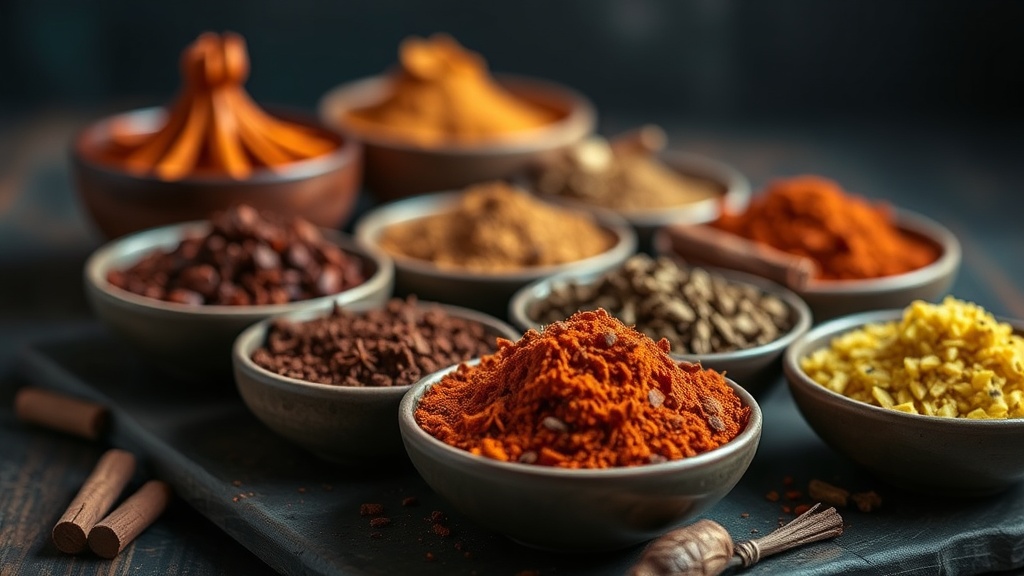
7 Global Spices to Elevate Your Everyday Cooking

Smoked Paprika for Depth
Turmeric for Warmth and Color
Cumin for Earthy Undertones
Cardamom for Floral Sweetness
Sumac for Tangy Brightness
Star Anise for Subtle Spice
Nutmeg for Creamy Richness
A home cook stares at a pan of chicken breasts that looks perfectly cooked but tastes entirely forgettable. They've followed the recipe, but the dish lacks that certain something—the depth that makes you want to go back for seconds. This isn't a problem with their technique; it's a problem with their spice cabinet. This post explores seven specific spices that change the way you season food, moving beyond basic salt and pepper to create depth in everyday meals.
Why Should You Invest in Whole Spices?
Whole spices provide much better flavor because they haven't been exposed to oxygen and light for as long as pre-ground versions. When you buy a jar of pre-ground cinnamon or cumin, you're often buying a product that has already lost its volatile oils. The scent is dull, and the taste is muted. If you buy whole seeds or sticks, you control the intensity of your dish from start to finish.
Think about the difference between a fresh lemon and a dried-out lemon wedge. Spices work the same way. If you're willing to spend five minutes with a mortar and pestle, you'll notice a massive difference in your cooking. It's a small investment of time that pays off every time you sit down to eat.
I often recommend starting with a basic kit. You don't need a hundred jars. You just need the right ones. If you want to improve your prep work first, check out my guide on essential knife skills to ensure your ingredients are cut uniformly for even spice absorption.
1. Smoked Paprika (Pimentón)
Smoked paprika adds a deep, woody richness to dishes without the heat of a chili pepper. Unlike regular paprika, which is mostly used for color, Spanish pimentón—specifically the variety from the La Chinata brand—brings a smoky complexity that mimics the flavor of wood-fired cooking. It's perfect for roasted potatoes, deviled eggs, or even sprinkled over a bowl of plain yogurt.
2. Cumin Seeds
Cumin is the backbone of many savory dishes, but using whole seeds instead of the dusty powder from the grocery store aisle changes everything. Whole cumin seeds offer a nutty, earthy punch that is much more vibrant. You can toast them in a dry pan for a minute before grinding them to release even more aroma.
3. Cardamom Pods
Cardamom is one of the most fragrant spices in the world, and it's often overlooked by home cooks. It has a citrusy, slightly herbal profile that works beautifully in both sweet and savory applications. Use the green variety for a subtle warmth in rice dishes or even in your morning coffee. It's a bit more expensive than your standard spices, but a little goes a long way.
What are the Best Spices for Meat Rubs?
The best spices for meat rubs are those that can withstand high heat while providing a balance of heat, sweetness, and earthiness. You want a combination that builds a crust—often called a "bark"—without burning too quickly.
When you're working with protein, you want spices that interact with fats and proteins to create a complex crust. Here is a quick breakdown of how different spices function in a meat-heavy context:
| Spice | Primary Flavor Profile | Best Use Case |
|---|---|---|
| Smoked Paprika | Smoky, Earthy | Chicken, Pork, Roasted Veg |
| Cumin | Nutty, Warm | Beef, Lamb, Lentils |
| Turmeric | Bitter, Earthy | Poultry, Rice, Curries |
| Coriander | Citrusy, Floral | Fish, Poultry, Vegetables |
For a heavy beef roast, I tend to lean into cumin and coriander. For poultry, I'll often reach for turmeric and a touch of cardamom. The key is to match the weight of the spice to the weight of the meat.
4. Ground Coriander
Coriander seeds have a bright, citrus-forward flavor that cuts through heavy or fatty ingredients. It's the perfect partner for cumin. If you find a dish is feeling a bit too "heavy" or one-dimensional, a bit of coriander can lift the whole thing up. It's particularly good in marinades for fish or chicken.
5. Turmeric
Turmeric is famous for its vibrant golden color, but its flavor is actually quite subtle and slightly bitter. It works best when paired with fat—like coconut milk or ghee—to help carry its flavor. It's a staple in many Indian dishes, but you can use it in a simple roasted cauliflower dish to add visual flair and a grounded, earthy undertone.
6. Star Anise
Star anise is a powerhouse of flavor. It's incredibly potent and has a distinct licorice-like aroma. A single piece dropped into a simmering pot of broth or a braise can transform the entire liquid. It's a staple in many Asian-inspired stocks and provides a deep, savory complexity that is hard to achieve with standard seasonings.
How Much Does High-Quality Spice Cost?
High-quality, whole spices generally cost more per ounce than the pre-ground versions found in the baking aisle, but they last significantly longer. While a jar of generic ground cumin might be cheap, you'll often use more of it to achieve the desired flavor. A small bag of whole cardamom pods or star anise is a long-term investment in your pantry.
The cost is also a matter of efficiency. Because whole spices are more potent, you're actually using less of the product to get the same result. If you buy spices from a local bulk store or specialized importers, you'll often find better value than buying the tiny, expensive jars at the supermarket. It's worth checking out local spice shops in Halifax to find fresh, bulk options.
It's also worth noting that the quality of your spices affects the shelf life of your entire meal. A meal made with stale, dusty spices will always taste "flat," no matter how much salt you add. You can't fix a lack of flavor with more salt; you have to fix it with better ingredients.
7. Sumac
Sumac is a deep red powder that provides a sharp, acidic brightness. It's not a "heat" spice, but rather a "sour" spice. If you're making a salad or a roasted vegetable dish and it feels like it's missing a squeeze of lemon, reach for sumac instead. It adds a beautiful color and a sophisticated tang that is much more nuanced than plain vinegar.
Using sumac on a piece of grilled fish or even sprinkled over a bowl of hummus can change the entire experience of the dish. It's a great way to add acidity without adding liquid, which is helpful when you want to keep a texture crisp.
The beauty of these seven spices is how they overlap. You can use them in a variety of ways, and they often work better in pairs. Cumin and coriander are a classic duo. Smoked paprika and cumin create a great base for a dry rub. Turmeric and cardamom are perfect for a fragrant rice. Experimenting with these combinations is where the real fun begins.
Don't be afraid to make mistakes. If a dish is too bitter from the turmeric, add a bit more fat or a touch of sweetness to balance it out. Cooking is a constant process of adjustment. Once you get a feel for how these spices behave, you won't need to rely on recipes as much. You'll start cooking by instinct, and that's when the food actually starts to taste incredible.