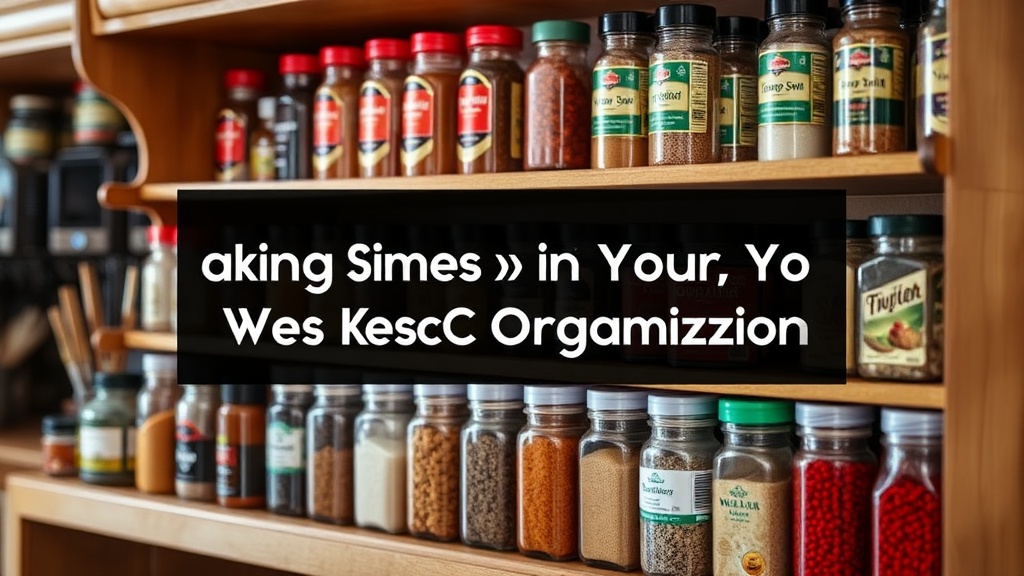
Making Sense of Your Spice Rack Organization

You’re halfway through making a curry, the pan is sizzling, and suddenly you realize you can’t find the cumin. You dig through a cluttered drawer of mismatched plastic jars and half-empty tins, only to find a crusty bottle of paprika that looks like it was bought during the last decade. This isn't just a minor annoyance; it's a disruption to your cooking flow. A disorganized spice rack leads to wasted ingredients, inconsistent flavors, and the constant frustration of buying duplicates because you couldn't see what you already owned. This guide breaks down how to sort, store, and maintain a spice collection that actually works for your kitchen.
How Should You Organize Your Spices?
The best way to organize your spices depends entirely on your kitchen layout and how frequently you use specific ingredients. You have three main options: alphabetical order, frequency of use, or cuisine type. If you cook by the book, alphabetical is great. If you're a seasoned cook who reaches for garlic powder and smoked paprika every single night, grouping by frequency is much faster.
Grouping by cuisine is another way to go. If you find yourself making a lot of Mexican-inspired dishes one week and then switching to Mediterranean recipes the next, grouping your spices by flavor profile can save time. You might keep your cumin, chili powder, and oregano together, while keeping your cinnamon and nutmeg in a separate section. It’s a matter of personal preference, really.
Here is a quick breakdown of the most common organization methods:
| Method | Best For... | Pros | Cons |
|---|---|---|---|
| Alphabetical | Large collections | Easy to find any specific item | Doesn't account for how often you use them |
| Frequency of Use | Daily cooks | Fastest access to staples | Can look messy if not curated |
| Cuisine/Flavor Profile | Themed cooks | Helps build cohesive dishes | Harder to find "lone wolf" spices |
| Color/Aesthetic | Visual thinkers | Looks beautiful on a counter | Not practical for heavy cooking |
I personally lean toward a hybrid approach. I keep my "daily drivers"—salt, pepper, garlic powder, and onion powder—in a tiered riser right on the counter. Everything else stays in a drawer or a cabinet. It keeps the visual clutter down while keeping the essentials within arm's reach.
Where Is the Best Place to Store Spices?
Spices should be stored in a cool, dark, and dry place to maintain their potency and flavor. Heat, light, and moisture are the three enemies of a good spice rack. If you keep your spices on top of the stove or near the oven, the heat will degrade the oils in the spices much faster. This is why many people make the mistake of putting a spice rack right above the range—it looks convenient, but it's actually a recipe for dull, flavorless spices.
Avoid the refrigerator, too. While some people think the cold helps, the constant temperature fluctuations every time you open the door can actually introduce moisture into the jars. This moisture leads to clumping and can even cause mold in certain herb blends. If you want to keep your spices fresh, a dark pantry or a dedicated drawer away from heat sources is your best bet.
If you use high-quality spices, you'll notice the difference in how they react to the environment. For example, if you're using high-end brands like McCormick or specialized artisanal blends, you'll want to be even more careful. These products rely on the integrity of their essential oils to provide that punch of flavor.
One thing to watch out for is the type of container you use. Glass jars are generally superior to plastic because they are non-reactive and often more airtight. If you're using a spice drawer, ensure the jars are tightly sealed to prevent the scents from bleeding into one another. You don't want your vanilla bean paste smelling like cayenne pepper.
The Importance of Air-Tight Containers
A tight seal isn't just about preventing spills. It's about preventing oxidation. When air hits your spices, the chemical composition changes. This is especially true for ground spices, which have more surface area exposed to the air. A well-sealed jar helps maintain the chemical integrity of the product for a longer period.
I've noticed that when I use a cheap, flimsy plastic shaker, the spices lose their punch way faster than when I use a heavy glass jar with a metal lid. It's a small detail, but it makes a difference in the final dish.
How Long Do Spices Last in the Pantry?
Whole spices generally last longer than ground spices, often up to two or three years, whereas ground spices usually lose their potency after about six to twelve months. The rule of thumb is that if a spice no longer has a strong aroma when you rub a little bit between your fingers, it's time to toss it. It might not be "spoiled" in a way that will make you sick, but it won't do much for your food.
To check the freshness, perform the "sniff test." If you open a jar of cumin and it smells like nothing, or it smells like old dust, it's done. You'll be better off replacing it than trying to cook with it. This is particularly true when you're trying to build deep flavor at home. Using stale spices is a quick way to end up with a bland meal, no matter how much technique you use.
Here is a general timeline for spice shelf life:
- Whole Spices (Cinnamon sticks, peppercorns, cloves): 2–3 years
- Ground Spices (Cumin, paprika, coriander): 1–2 years
- Dried Herbs (Oregano, thyme, basil): 1 year
- Seed-based Spices (Mustard seeds, fennel): 2 years
It's worth noting that heat-sensitive spices like chili powder or curry powder often degrade faster than something like a cinnamon stick. If you're a heavy user of certain blends, you'll need to rotate your stock more frequently to ensure your dishes don't suffer.
"The quality of your spices is the foundation of your seasoning. If the spice is dead, the dish is dead."
Don't be afraid to prune your collection. Every few months, go through your rack and look for anything that has lost its scent. It's better to have a small, high-quality collection of fresh spices than a massive, dusty cabinet of old, ineffective ones.
If you find yourself frequently using fresh herbs and they're starting to look a bit sad in the crisper drawer, you might want to check out my guide on how to revive your wilted herbs instead of relying solely on dried versions. Freshness is a spectrum, and knowing how to manage it is a huge part of being a better cook.
Organization isn't just about making the kitchen look pretty for a photo. It's about efficiency. When you know exactly where your turmeric is, and you know it's actually potent, your cooking becomes more intuitive and less of a chore. Take the time to audit your spices this weekend. It's a small investment that pays off every time you turn on the stove.